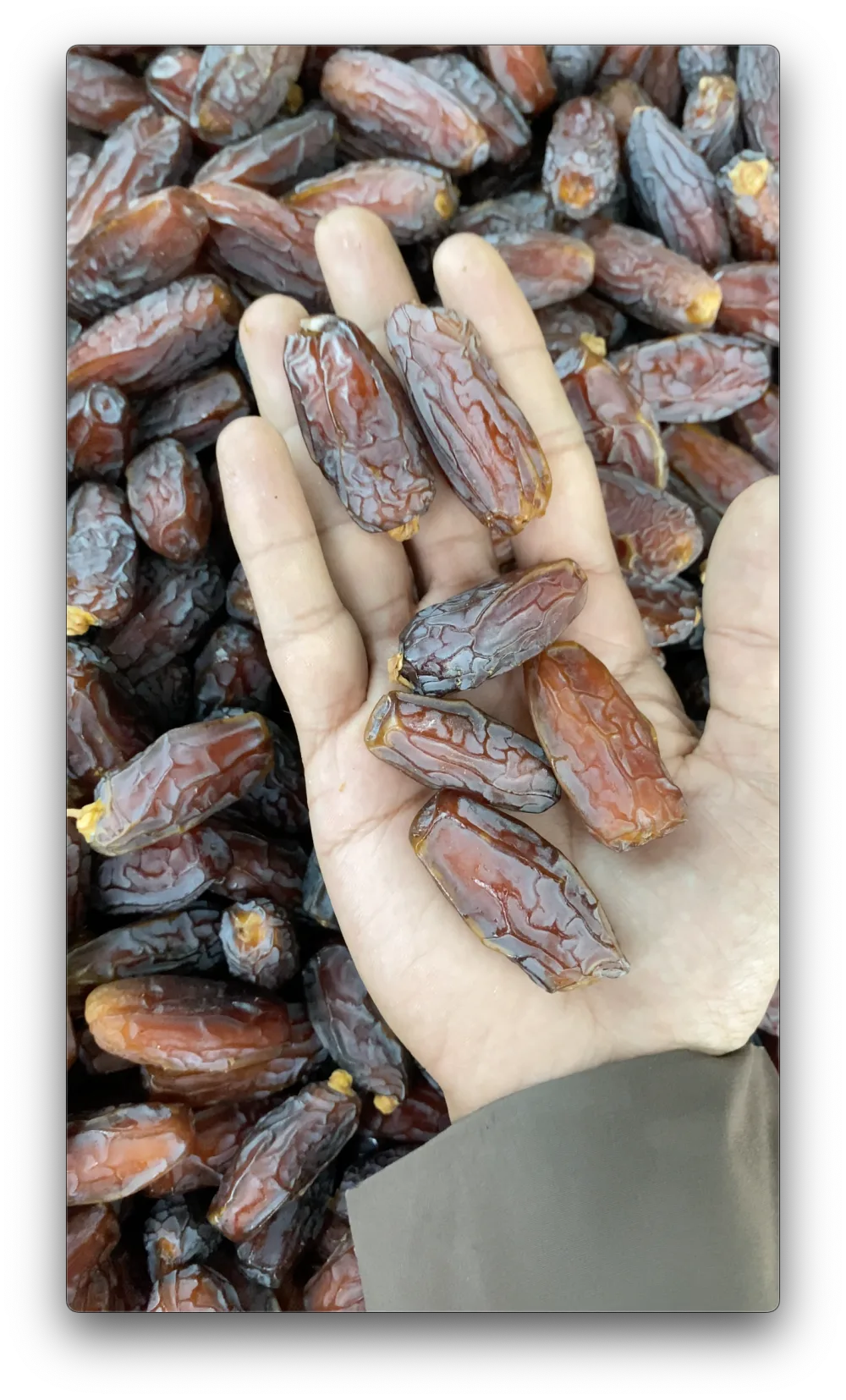
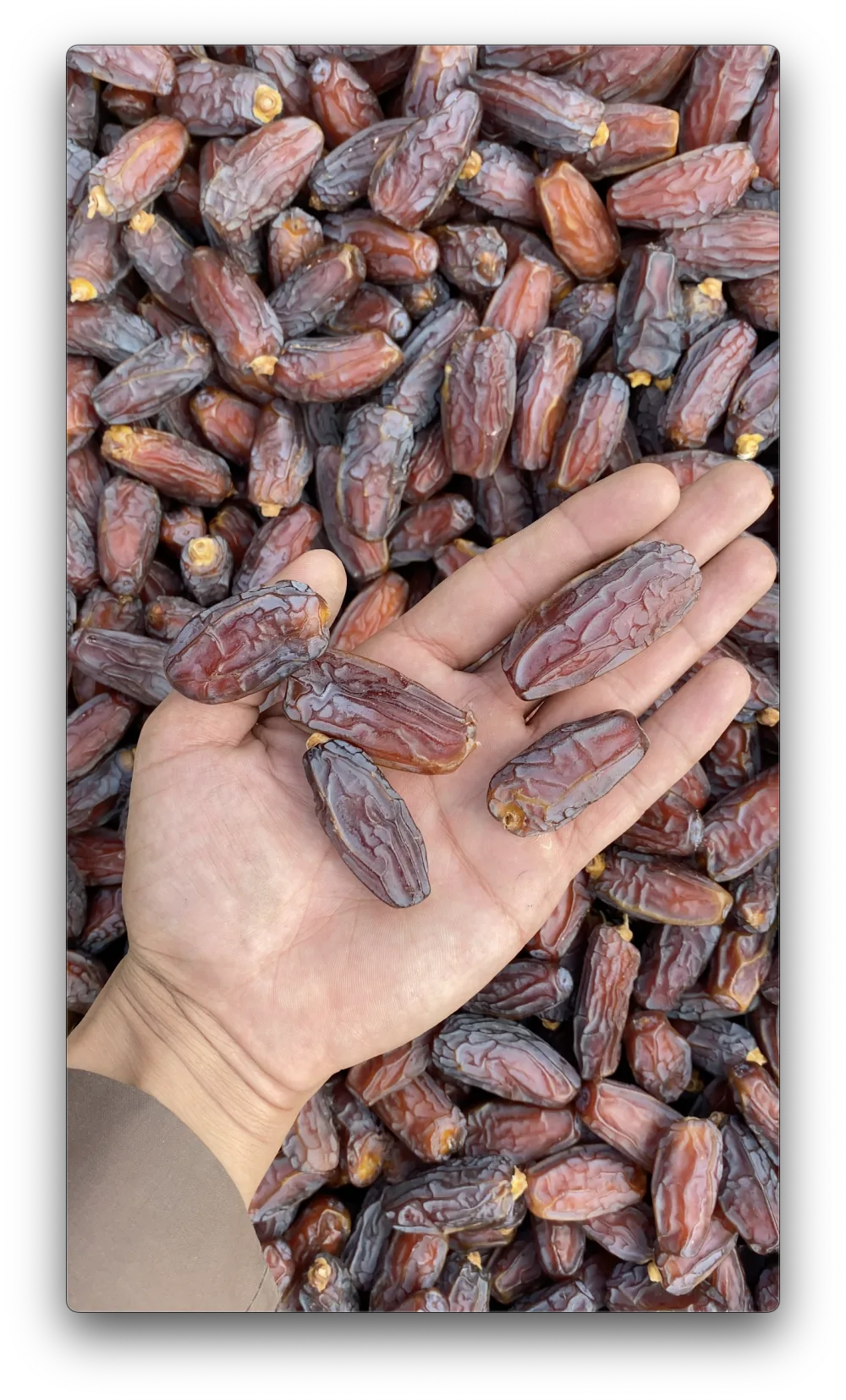
For expectant mothers, dates are often mentioned as a snack recommended near labor. No wonder many ask specifically: are Mabroom dates for pregnancy safe and beneficial? This question deserves a careful answer. We will present what the research actually shows, while honestly marking its limits — because the health of mother and baby is far too important for overstated claims.
What the Research Shows About Dates and Labor
Several studies examine date consumption in late pregnancy. The most frequently cited is the Al-Kuran et al. (2011) study published in an obstetrics journal: 69 pregnant women consumed six dates per day for four weeks before their estimated due date, compared with a group who did not. The result: the date-eating group showed greater average cervical dilatation on admission (3.52 cm vs 2.02 cm) and needed less induction. Researchers suggested the mechanism relates to an effect on oxytocin receptors that helps cervical readiness.
Reviews and follow-up studies in the PubMed Central database explore similar findings, although experts (as summarized by obstetric sources) stress that study quality varies and results are not fully consistent. The point: there is an intriguing signal, but it is not a guarantee, and it does not replace medical management of labor.
An Honest Note: Those Studies Tested "Dates", Not Mabroom
This is the point sellers rarely make. Those studies tested dates in general — often local Middle Eastern varieties — not Mabroom specifically. We found no research testing Mabroom for pregnancy. So we will not claim "Mabroom speeds up labor." What we can say honestly: Mabroom is a whole date that, like other dates, contains natural sugar, fiber, and minerals; the general benefits of dates near labor seen in research are plausible by category, but Mabroom's specific effect has not been studied.
Nutrients Relevant to Pregnancy
Aside from labor, the nutrition profile of dates is genuinely relevant to pregnancy. Based on Mabroom exporter data and USDA baselines for whole dates, per 100 grams Mabroom contains roughly:
| Component | Per 100g | Relevance in pregnancy |
|---|---|---|
| Energy | ±275-295 kcal | A convenient quick-energy source |
| Dietary fiber | 6.5-8 g | Helps ease the constipation common in pregnancy |
| Iron | 1.0-1.5 mg | Contributes to iron intake (anemia prevention) |
| Potassium | 650-700 mg | An important electrolyte; sodium is very low |
To be clear: these contributions complement the diet — they do not replace prescribed pregnancy supplements (such as iron/folic acid tablets) from your healthcare provider.
Sensible Consumption Guidance
- Third trimester: the widely circulated advice following the study pattern is around six dates per day in the final four weeks before the due date — but only after your midwife/doctor approves.
- Early pregnancy: some sources suggest not overdoing it due to contraction-related effects; if unsure, ask your healthcare provider.
- Special conditions: mothers with gestational diabetes or specific dietary advice must adjust portions per their doctor's guidance, since dates still contribute natural sugar.
The Bottom Line
Mabroom dates can be a pleasant natural snack during pregnancy — moderately sweet, with fiber that aids digestion and very low sodium. Research on dates near labor is intriguing and worth reading, but two things must be clear: those studies tested dates in general, not Mabroom; and whatever the findings, they do not replace prenatal checkups and labor decisions managed by midwives and doctors. Treat dates as a pleasant complement, and always discuss your consumption pattern with a trusted healthcare provider. If you want to start with a small portion, our Premium Grade AA Mabroom Dates 500g pack is ideal for a trial. (This article is educational and not medical advice.)