A Third of Indonesian Adults, and the Wrong Snacks
One number deserves a pause: based on blood pressure measurements in the national Riskesdas 2018 survey, 34.1% of Indonesians aged 18 and above have hypertension — up from 25.8% in 2013 — and only 8.8% have been diagnosed. Most people do not know their blood pressure is high, while daily habits roll on: salty fried snacks, packaged chips, crackers, and other quiet sodium accumulators.
This is where the question of dates for hypertension becomes relevant — not as medicine, but as a far friendlier snack replacement for blood pressure. Let us look at the data.
The Core Problem: Sodium You Cannot Taste
The World Health Organization recommends adults keep sodium under 2,000 mg per day (about 5 grams of salt — roughly one teaspoon). In reality, packaged snacks and processed foods blow past that ceiling without ever tasting salty. For people with high blood pressure, chronic sodium excess is among the lifestyle factors health workers flag most often.
The Potassium-Sodium Ratio: The Date's Quiet Superpower
Here dates stand out. Per USDA FoodData Central baselines for whole dates:
| Component (per 100g) | Dates (USDA baseline) |
|---|---|
| Sodium | 1-2 mg — practically zero |
| Potassium | 656-696 mg |
| K:Na ratio | More than 300:1 |
| Fiber | 6.5-8 g (Mabroom data) |
That hundreds-to-one potassium-to-sodium ratio matters: health literature — including UCLA Health's discussion — stresses that the potassium-sodium balance, not sodium alone, shapes blood pressure management. Potassium helps the body excrete excess sodium and relaxes blood vessel walls. In other words, a low-sodium, potassium-rich date sits squarely on the right side of the equation — something no chip or salted cracker can claim.
What Does Recent Research Say? The 2025 Review
A 2025 scientific review indexed on PubMed Central — examining dates as a functional food in hypertension — concluded that across available clinical studies, moderate, regular date consumption was associated with reductions in systolic and diastolic blood pressure and improvements in lipid profiles and inflammatory biomarkers. The proposed mechanisms run through potassium, magnesium, fiber, and polyphenols. Two important caveats from the same review: effect sizes are moderate — this is a dietary companion, not a therapy; and dates remain calorie-dense, so portions must be controlled.
Dates for High Blood Pressure: A Sensible Routine
How does that research translate to the table? Our suggested approach is simple:
- 3-4 dates a day (±84-112 kcal for 10-gram Mabroom fruit) as an afternoon snack or after-meal sweet.
- Substitute, do not add: dates replace chips, crackers, or packaged cakes — they are not stacked on top.
- Pair with an overall low-salt diet: less table salt, more vegetables and fresh fruit.
- Monitor blood pressure regularly and log the lifestyle changes you make.
What Must Be Said Plainly: Dates Do Not Replace Medication
If you have been prescribed antihypertensive medication, keep taking it as directed. Dates are a companion to a healthy diet — not a drug substitute, and not a reason to postpone a check-up. Discuss dietary changes with your doctor or dietitian, especially if you also have diabetes or kidney disease (some kidney conditions require potassium restriction).
Why Mabroom Fits a Low-Sodium Eating Pattern
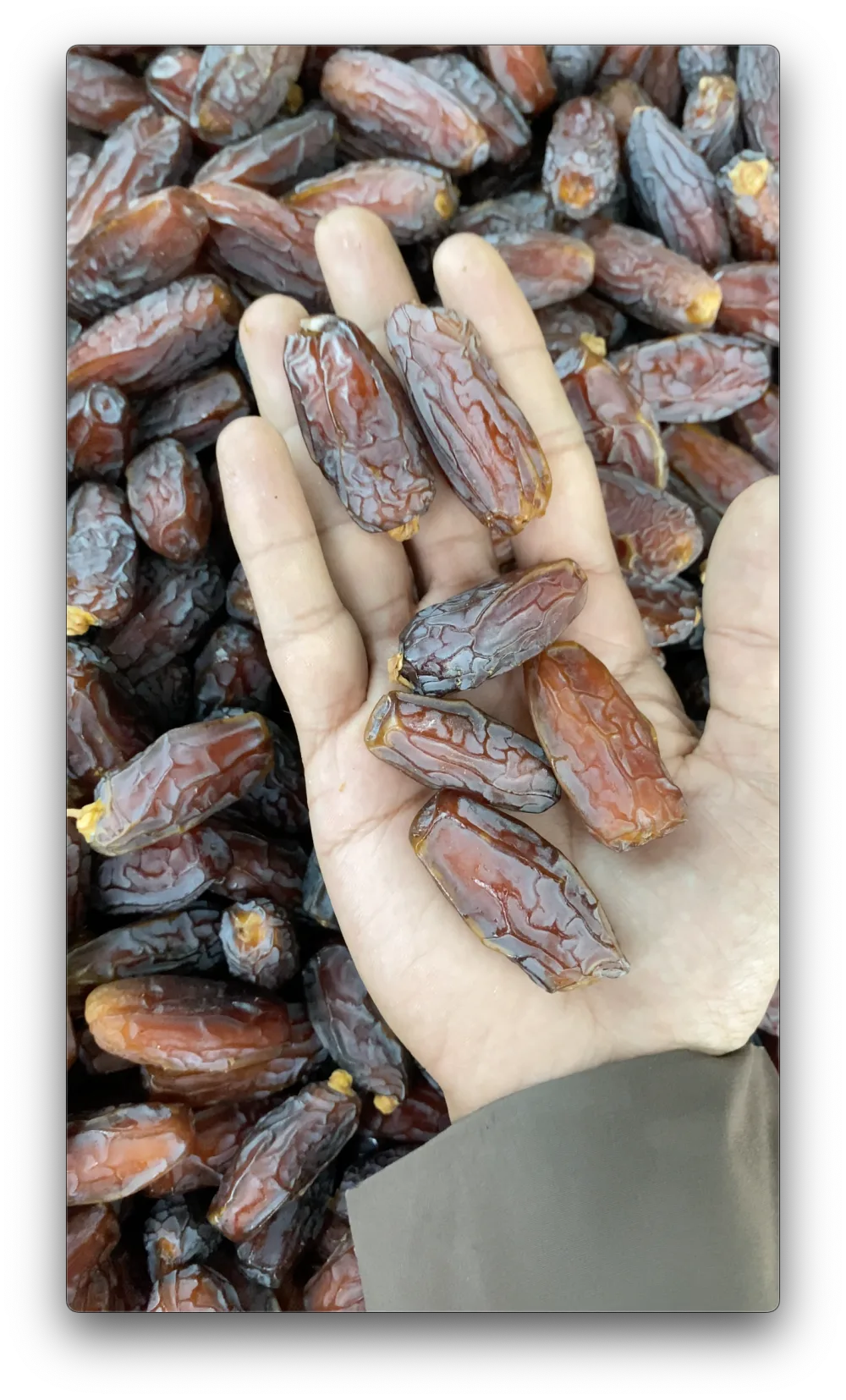
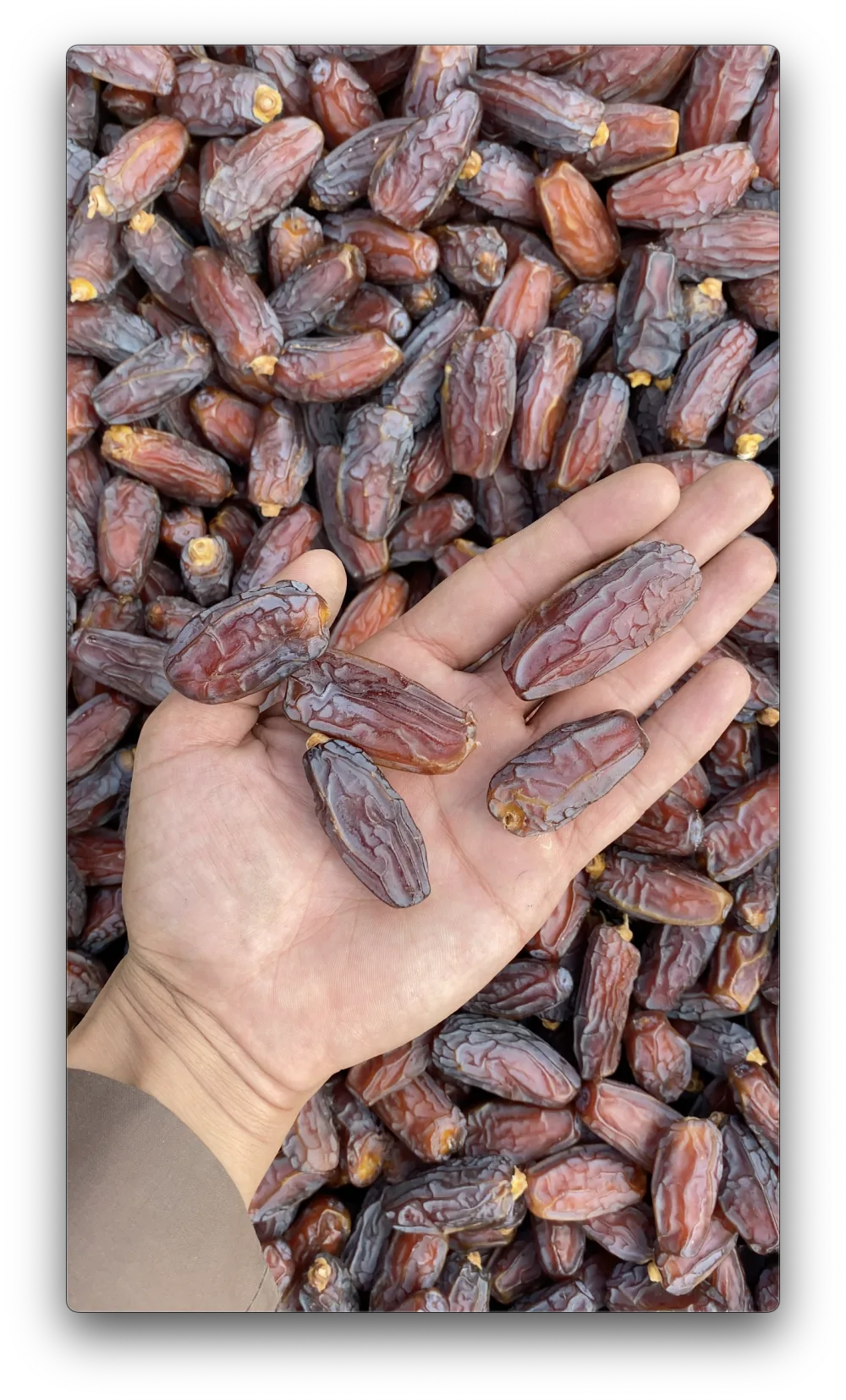
All dates are inherently low in sodium, but Mabroom brings practical advantages: its moderate caramel-toned sweetness does not provoke overeating, its dense chew makes each date last longer and satisfy more, and its consistent ±10-gram fruit makes portions easy to count. For many of our customers over 40, three Mabroom dates with unsweetened tea have quietly replaced the afternoon plate of salty snacks.
A 7-Day Plan to Replace Salty Snacks
Dietary change lasts longest when it is gradual. Here is the one-week framework we share — simple, cheap, and humane:
- Days 1-2: map first. Log every packaged snack you eat and read the sodium labels — most people are startled at this stage.
- Days 3-4: swap one session. Trade the afternoon snack for 3 dates and unsweetened tea; leave the other sessions alone.
- Days 5-6: swap two sessions. Add a small handful of unsalted nuts if hunger lingers.
- Day 7: review. Many people find the craving for saltiness already fading within a week.
While running the plan, keep doing what matters more: cook with less salt, check your blood pressure regularly — remember, only 8.8% of Indonesians with hypertension are diagnosed; most do not know — and stay on prescribed medication. The right snack is a supporting actor, never the lead.
One family note: this habit spreads well. When a jar of dates replaces the chips on the living room table, children and spouses migrate without being asked — and your kitchen slowly becomes a more blood-pressure-friendly environment for everyone, not just the person managing it.
Where to Start
Start small: one 500g pack covers the first two habit-building weeks. Pondok Mabroom delivers same-day from Cakung, East Jakarta across Jakarta, Bekasi, Depok, Tangerang, and Bogor — and our team happily answers portion questions on WhatsApp +62 823-4350-8579. This article is educational and does not replace professional medical consultation, diagnosis, or treatment.